
Bet On Red: Ganancias Rápidas y Experiencia de Juego de Alta Intensidad
June 23, 2026Rainbet Casino: Eine umfassende umfassende Überprüfung
June 23, 2026The rise and fall of gambling A historical journey through time
Ancient Origins of Gambling
The history of gambling can be traced back thousands of years, with evidence suggesting that it has been a part of human culture since ancient civilizations. Archaeologists have found dice dating back to around 3000 BC in ancient Mesopotamia, indicating that early humans engaged in games of chance. These activities often intertwined with religious practices, as people would gamble for divine favor or predict future events. This blend of spirituality and chance set the stage for gambling’s evolution across various cultures. Today, players can explore a variety of options, including payid casinos, which offer convenient and secure transaction methods.

In ancient China, gambling became structured and widespread, with games like Keno and betting on the outcomes of major events. The Han Dynasty (206 BC – 220 AD) marked a significant leap, as state-sponsored gambling helped fund government projects. Furthermore, historical texts from Ancient Rome reveal that soldiers and citizens alike participated in betting on gladiatorial contests and chariot races, showcasing the integral role of gambling in societal entertainment.
As gambling spread through trade routes, it adapted to local customs and practices, becoming a universal form of entertainment. The first recorded regulations appeared in the Middle Ages, with specific laws governing gambling in Europe. This early legislation laid the groundwork for the later establishment of formal gambling establishments, such as taverns and gaming houses, creating a framework for modern gambling that continues to evolve.
The Development of Legal Gambling
The 17th and 18th centuries saw a significant transformation in the gambling landscape, particularly in Europe. This era marked the birth of the modern casino, with establishments opening in cities like Venice and Monte Carlo. These venues offered a variety of games, attracting the elite and wealthy, who sought both entertainment and the thrill of chance. The establishment of these casinos also introduced formalized rules and regulations, contributing to a more organized gambling environment.
During this period, lotteries emerged as a popular form of gambling, with governments sponsoring them to raise funds for public projects. For instance, in England, the first state-sponsored lottery was introduced in 1569, and it quickly became a model for other countries. As lotteries gained popularity, they fostered a sense of community, as people participated not only for potential wealth but also to support civic initiatives.
The American colonies embraced gambling, with games like poker and lotteries becoming part of social gatherings. However, as concerns over addiction and corruption grew, many states began to regulate or ban gambling altogether by the 19th century. This fluctuation in legality reflected societal attitudes towards gambling and set the stage for future debates over its morality and impact on communities.
The Golden Age of Casinos
The 20th century marked the pinnacle of gambling’s popularity, with Las Vegas emerging as the epicenter of the casino industry. The legalization of gambling in Nevada in 1931 led to the establishment of lavish casinos that attracted millions of visitors. With elaborate shows, luxury accommodations, and an array of gaming options, Las Vegas became synonymous with gambling, transforming from a small desert town into a global entertainment hub.
This era also saw the rise of organized crime’s involvement in gambling, with mobsters using casinos as fronts for illegal activities. While this association fueled public concern, it also contributed to the glamorization of gambling in popular culture, as seen in films and literature. The allure of high-stakes gaming, combined with the vibrant nightlife of cities like Las Vegas, drew in tourists and created a booming economy around gambling.
The latter half of the century witnessed an expansion of gaming opportunities beyond traditional casinos. State lotteries, bingo halls, and riverboat casinos emerged as legal forms of gambling across the United States, appealing to a wider audience. These developments reflected a cultural shift towards acceptance of gambling as a mainstream activity, leading to a surge in participation and revenue generation.
The Challenges of the Modern Era
As the 21st century approached, the gambling landscape faced new challenges, particularly with the advent of the internet. Online gambling emerged as a revolutionary force, providing players with unprecedented access to games from the comfort of their homes. This digital shift created opportunities for innovation but also raised concerns regarding regulation, addiction, and the integrity of gaming. Many jurisdictions struggled to keep pace with the rapid growth of online platforms, resulting in a patchwork of laws and enforcement practices.
Additionally, the stigma surrounding gambling persisted, with ongoing debates about its potential societal impacts. Issues of addiction, financial ruin, and crime remained prevalent, prompting governments and advocacy groups to implement measures aimed at promoting responsible gambling. The introduction of self-exclusion programs and awareness campaigns sought to address these challenges while emphasizing the importance of balance and moderation in gambling activities.
The global pandemic further complicated the situation, as many physical casinos faced closures while online gambling platforms flourished. This shift raised questions about the future of brick-and-mortar casinos and their ability to adapt to changing consumer preferences. As the industry continues to evolve, it must navigate a landscape characterized by technological advancement and societal concern, redefining what gambling means in the modern world.
Exploring the Future of Gambling
The future of gambling is poised for continued evolution as technology advances and societal attitudes shift. With the rise of mobile gaming, virtual reality, and blockchain technology, the gambling experience is becoming more immersive and accessible than ever before. Innovations such as cryptocurrency transactions and decentralized gaming platforms are reshaping the way players engage with their favorite games, attracting a new generation of gamblers who seek seamless and secure experiences.
Additionally, the ongoing conversation around responsible gambling is gaining traction, with many online platforms implementing features to help players manage their habits. As the industry becomes more attuned to the potential risks associated with gambling, the integration of education and prevention measures is crucial. By promoting awareness and providing support, the industry can foster a healthier relationship between players and gambling.
The online gambling sector, in particular, is expected to see significant growth in the coming years. With an increasing number of jurisdictions legalizing online casinos, the competition will intensify, leading to better player benefits and experiences. As operators strive to attract and retain customers, the focus on customer service, game variety, and innovative promotions will become paramount, shaping the future of gambling in an ever-changing landscape.
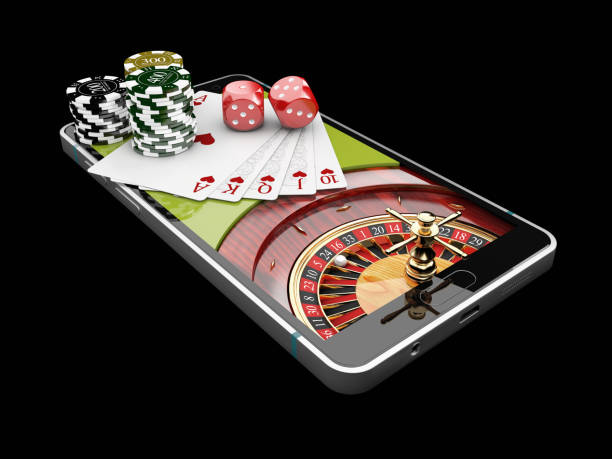
Your Guide to Understanding Gambling
As we navigate the complexities of gambling, it is essential to have access to accurate information and resources that can guide responsible choices. Our website serves as a comprehensive hub for all things related to gambling, offering insights, strategies, and expert opinions to empower players. Whether you are a seasoned gambler or new to the world of gaming, understanding the historical context and current trends is crucial for making informed decisions.
We provide detailed comparisons of various gambling platforms, focusing on aspects like payout speed, bonuses, and user benefits. By emphasizing transparency and accountability, our goal is to help players maximize their gaming potential while fostering a responsible approach to gambling. Additionally, our resources on self-exclusion and addiction awareness aim to equip users with the tools necessary to maintain control over their gambling activities.
In an industry that continues to evolve, staying informed is key to enjoying gambling responsibly. Join us as we explore the intricacies of gaming, allowing you to navigate the exciting world of gambling with confidence and knowledge. Our commitment to providing valuable content will ensure that you are well-equipped to enjoy the thrills and challenges that come with gambling.
