
Sensible Medical insurance Preparations
August 26, 2026Diversificazioni_vincenti_e_trucchi_poco_noti_intorno_ad_afk_spin_casino_per_il
August 26, 2026
The Role of Luck in Gambling
In the world of gambling, luck is often perceived as the deciding factor that determines an individual’s success. Unlike other forms of competition where skill may play a pivotal role, casinos operate primarily on randomness. Games such as slots, roulette, and blackjack are designed to have outcomes that can significantly fluctuate based on chance, and many players enjoy the thrill of an instant withdrawal casino where they can quickly access their winnings. This randomness can create an exhilarating atmosphere where fortunes can change in an instant, highlighting the importance of luck in determining the player’s fate.
Many players enter casinos believing that luck will favor them. Each roll of the dice, spin of the wheel, or flip of the cards is an opportunity for either a windfall or a loss. This unpredictability is both thrilling and nerve-wracking. Players often engage in rituals or superstitions, hoping to sway luck in their favor. Whether it’s wearing a lucky shirt or performing a specific sequence before wagering, these behaviors can enhance the psychological aspect of gambling, reinforcing the belief that luck is a powerful force at play in their gaming experience.
Furthermore, luck has a significant psychological effect on players’ behaviors and decisions. When experiencing a winning streak, players may feel invincible, believing that luck will continue to shine upon them. Conversely, those who encounter a series of losses may become frustrated or anxious, leading them to chase their losses in hopes of reclaiming their previous success. Understanding the impact of luck on one’s mental state and decision-making can help players navigate the highs and lows of the casino experience more effectively.
The Mathematics of Casino Games
While luck plays a crucial role, the underlying mathematics of casino games is essential to understanding the odds and strategies involved. Each game has a specific house edge, which indicates the mathematical advantage that the casino holds over the players. For instance, games like blackjack can have varying house edges depending on how the players strategize, while slot machines typically have a higher house edge that favors the establishment regardless of individual luck.
In essence, understanding these odds allows players to make more informed decisions while gambling. For example, by knowing the probability of winning on a particular bet, players can choose to stake their money in a more calculated manner. However, even the most knowledgeable player cannot alter the inherent randomness of the games. This means that, no matter how well-informed a player might be, luck will always play an unpredictable role in the outcome of any given game.
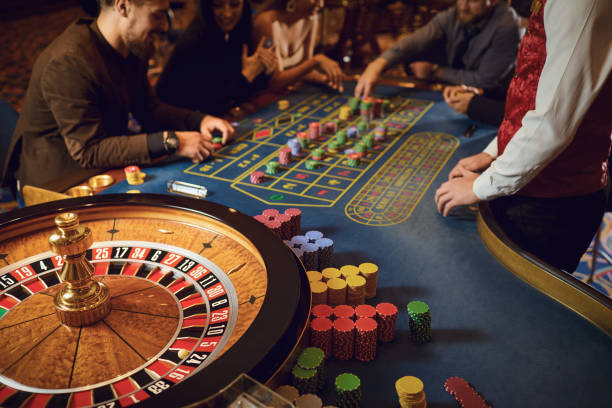
Moreover, it’s interesting to note how different games attract varying personality types. Some players thrive on the strategy of table games where skill and knowledge can complement luck, like poker or blackjack. Others may prefer the complete randomness of slot machines, where luck reigns supreme. Each of these preferences showcases how luck influences not just the outcomes of games but also the overall gaming experience and player engagement in casinos.
The Illusion of Control Over Luck
Humans have an innate desire to control their circumstances, and this tendency extends to gambling. Many players believe that they can influence luck through various means, such as employing strategies or even performing superstitious acts. This phenomenon, often referred to as the ‘illusion of control,’ can lead players to wager more aggressively, thinking they can manipulate the outcome in their favor.
Despite this belief, the nature of casino games remains inherently random. For instance, a player may use betting patterns or analyze past outcomes, convinced that they can predict future results. However, the concept of independence in statistical probability means that each game is a separate event, unaffected by previous results. Understanding this can help players develop a healthier relationship with luck and gambling, realizing that while they can make informed choices, they cannot control the outcome.
The illusion of control can also lead to detrimental behaviors, such as chasing losses or gambling beyond their means. When luck does not play in their favor, it can be easy for players to spiral into a cycle of desperation. Recognizing this tendency can empower players to embrace a more balanced approach to gambling, where the thrill of luck is enjoyed without succumbing to the notion that they can bend it to their will.
The Emotional Impact of Luck on Players
The emotional aspect of gambling cannot be understated, as luck plays a significant role in shaping players’ experiences at casinos. Winning can elicit feelings of joy and excitement, while losing often brings about disappointment and frustration. This emotional roller coaster is what makes gambling so compelling yet potentially dangerous, as players can become addicted to the highs of winning while ignoring the lows of losing.
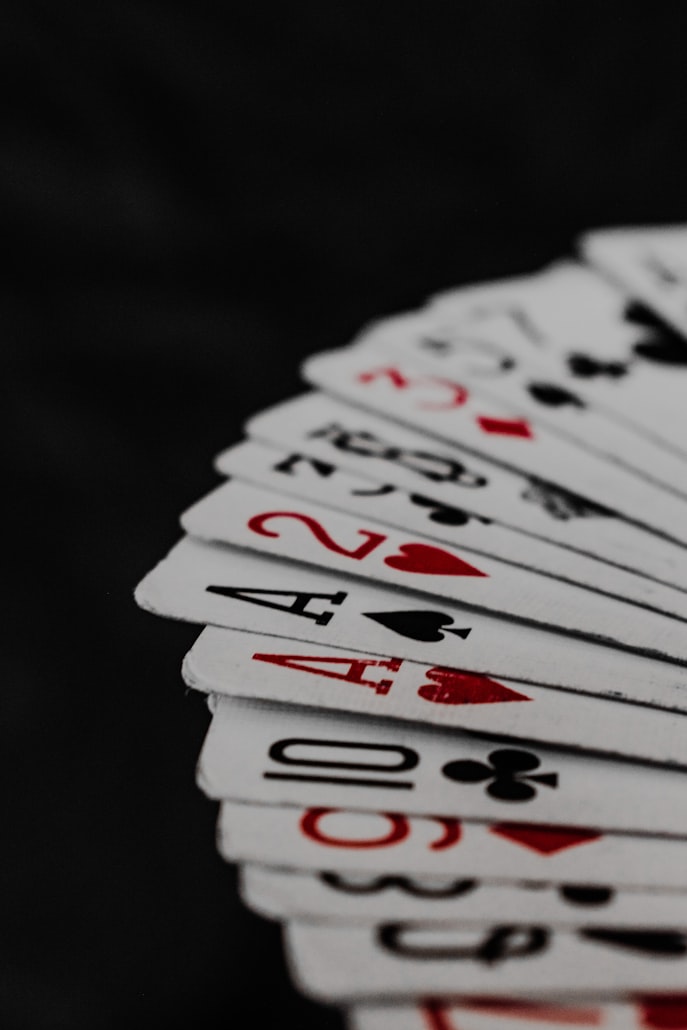
Moreover, the nature of luck can create a false sense of confidence. When a player wins big due to a stroke of luck, it may lead them to believe that they possess a winning strategy, encouraging further play. This can result in an overestimation of their ability to win, often leading to greater financial risks. Understanding the emotional highs and lows associated with luck can help players develop a more mindful approach to gambling, allowing them to enjoy the entertainment without falling prey to excessive risk-taking.
On the other hand, coping with bad luck is equally important. Players must learn to manage their emotional responses to losses effectively. By acknowledging that luck is not always on their side and that losses are an inevitable part of gambling, players can maintain a healthier mindset. This awareness can lead to more enjoyable gambling experiences, where the thrill of chance is appreciated rather than marred by disappointment.
Responsible Gambling and the Role of Luck
As the interplay between luck and gambling becomes clearer, the importance of responsible gambling practices is paramount. Understanding that luck can significantly influence outcomes is crucial for players who wish to enjoy their time at the casino while minimizing the potential for harm. Setting limits on time and money spent gambling can help ensure that players engage with the fortunate aspects of luck without being overwhelmed by the risks involved.
Additionally, casinos often promote responsible gambling initiatives, encouraging players to remain aware of their gambling habits and recognize when luck may not be favoring them. These initiatives aim to foster an environment where luck is celebrated, yet players remain grounded in the understanding of their limits. By cultivating a culture that prioritizes responsible gambling, players can appreciate the thrill of chance without jeopardizing their financial well-being.
Moreover, utilizing resources such as self-exclusion programs or seeking support from gambling organizations can be beneficial for players struggling to manage their luck-driven habits. Being proactive about recognizing the impact of luck on their gaming experiences can empower individuals to make thoughtful decisions and establish a healthier relationship with gambling, allowing them to savor the excitement without compromising their overall life satisfaction.
